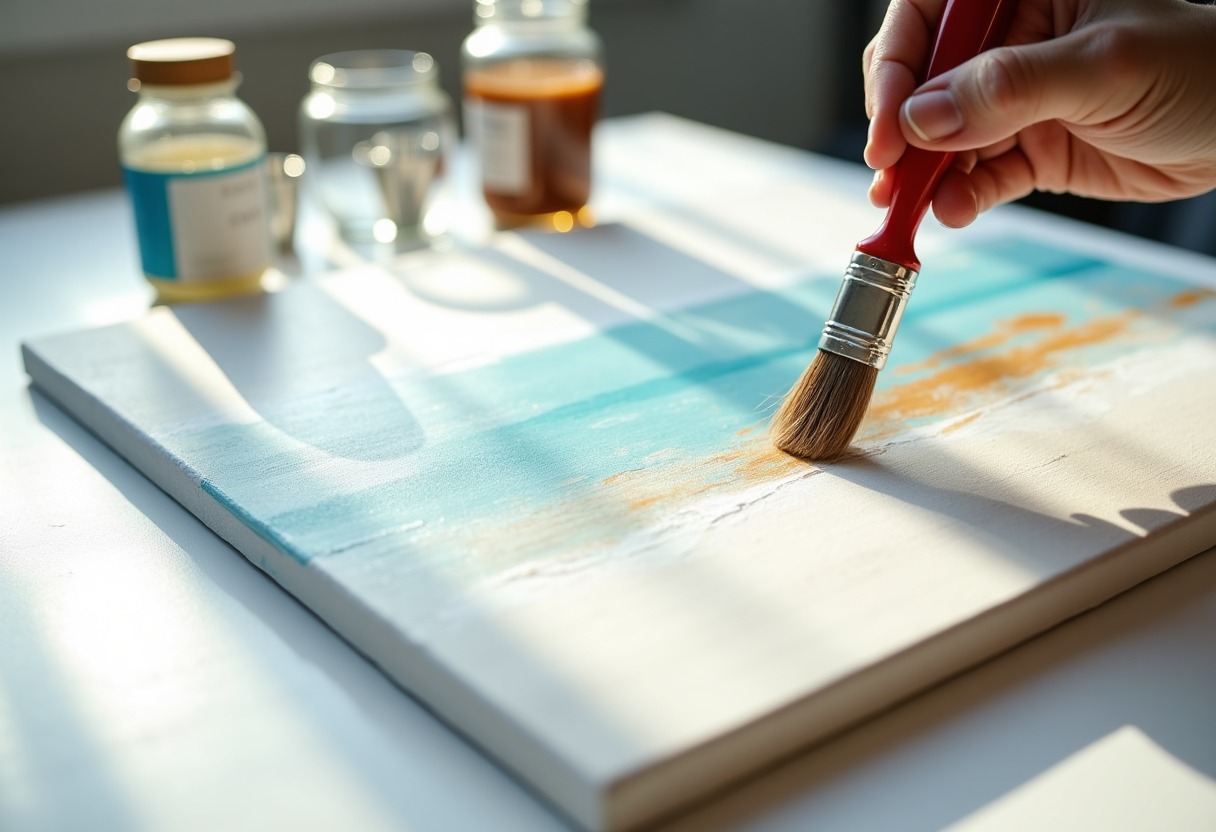
Your acrylic painting dried yesterday, and now you're staring at it wondering if that final coat should be removable or permanent. The difference isn't just technical — it's about whether you can fix dirt, yellowing, or damage twenty years from now, or whether that painting is sealed forever the moment you apply that final layer.
Why Varnish Type Actually Matters for Acrylic Paintings
Acrylic paint dries porous. Without varnish, dust embeds itself in the surface, colors shift as the polymer ages, and uneven sheen makes your careful brushwork look patchy. According to Golden Artist Colors' technical documentation, an isolation coat followed by removable varnish is the professional standard because it separates your paint layer from the protective topcoat — meaning you can strip and replace the varnish without touching the painting underneath.
Permanent varnish soaks into the paint layer itself. Once applied, it becomes part of the painting structure. This matters for two reasons: durability under harsh conditions, and price point. Permanent finishes cost less and work fine for practice pieces, gifts, or paintings you're not precious about. Removable systems require more materials and steps, but they're what conservators use on gallery work.
The isolation coat is what makes removability possible. It's a permanent layer of soft gel medium that seals the paint and creates a barrier. Varnish goes on top of that barrier. When you need to restore the painting years later, mineral spirits or varnish remover dissolves the varnish layer but stops at the isolation coat, leaving your original brushstrokes untouched.
Understanding Removable Varnish Systems
Removable varnishes use solvents that won't dissolve dried acrylic paint. MSA (Mineral Spirit Acrylic) varnishes dissolve in mineral spirits. Polymer varnishes dissolve in ammonia-based cleaners. The key property is that these solvents evaporate completely, leaving only the resin behind — which means the varnish layer stays removable indefinitely.
→ Shop removable acrylic varnish on Amazon
Golden MSA Varnish is the professional standard. It comes in gloss, satin, and matte finishes — which you can mix to create custom sheen levels. The solvent smell is strong during application, so you need ventilation. It dries to the touch in 24 hours but takes three days to fully cure. Once cured, it's incredibly durable against humidity, UV exposure, and handling. Years later, you brush on mineral spirits, let them sit for a few minutes, and wipe away the dissolved varnish with cotton rags. The painting underneath looks exactly as it did the day you finished it.
Liquitex Soluvar is the more affordable alternative in the removable category. It uses the same mineral spirit chemistry but has a slightly softer final film. Some painters prefer this for smaller works or studies where the absolute maximum durability isn't required. Application technique is identical — two thin coats work better than one thick coat because thick applications can crack or craze as they cure.
The isolation coat step is non-negotiable for removable systems. → Shop isolation coat medium on Amazon. Mix two parts soft gel gloss medium with one part water. Brush it on in thin, even strokes. Let it cure for 24 hours minimum, 72 hours ideally. This layer stays slightly flexible forever, which prevents the varnish from bonding directly to the paint. Without it, your "removable" varnish will take paint with it when you try to strip it.
Permanent Varnish Options and When They Make Sense
Permanent varnishes are typically water-based acrylic polymers that chemically bond with the dried paint layer. Once applied, they can't be removed without damaging the painting. This sounds like a downside, but the reality is simpler application, no toxic solvents, faster drying times, and lower cost.
Liquitex Gloss Varnish is the workhorse permanent option. It dries clear, flexible, and hard within hours. You can apply it straight from the bottle with a soft brush, and cleanup is just soap and water. The gloss version adds considerable depth to colors — darks get darker, and the whole painting takes on a saturated quality. For pieces like studies from Essential Paint Colors Mixing exercises or experimental work, this level of protection is plenty.
DecoArt Triple Thick gives an extreme gloss finish in spray form. → Shop spray varnish for acrylics on Amazon. It builds up a noticeably thick, glass-like coat that makes colors pop. The trade-off is that heavy application can obscure fine detail and create an obviously "varnished" look. This works well for decorative pieces, furniture painting, or bold work where texture matters less than visual impact.
Matte permanent varnishes exist but require careful stirring. The matting agents settle at the bottom of the bottle, and if you don't mix thoroughly before each use, you get uneven sheen across the painting. Golden Polymer Varnish in matte is reliable if you shake it for a full minute before opening. The finish eliminates glare completely, which matters for paintings that will hang in bright rooms or near windows.
| Varnish Type | Removability | Application Solvent | Best For | |------------------|------------------|-------------------------|--------------| | MSA Removable | Fully removable with mineral spirits | Mineral spirits | Gallery work, archival pieces, high-value paintings | | Polymer Removable | Removable with ammonia cleaners | Water | Commission work, professional portfolio pieces | | Acrylic Permanent | Not removable | Water | Practice paintings, gifts, decorative work | | Spray Permanent | Not removable | Aerosol propellant | Quick protection, smooth finish without brush marks |
Recommended Varnish Products by Use Case
For serious work you plan to keep or sell: Golden MSA Varnish with UVLS (Ultra Violet Light Stabilizers) protects against fading and yellowing. Apply over a proper isolation coat. The gloss version gives the truest color representation. Mix in matte varnish at 1:1 ratio if you want satin sheen. Price is higher, but this is what conservators stock in their studios. → Shop Golden MSA varnish on Amazon.
For canvas work that needs moderate protection: Liquitex Professional Soluvar Varnish gives removability at a lower price point. It's less durable than MSA but still holds up to normal indoor conditions for years. Mineral spirit application means good ventilation is required. Works well on paintings from Best Canvas Priming Techniques Acrylic Gesso Vs Oil Ground Vs Commercial Primers projects where you've invested time in proper surface prep.
For quick protection on practice pieces: Mod Podge Acrylic Sealer (spray version) applies fast, dries within an hour, and costs less than dedicated art varnishes. It's permanent and won't hold up to UV exposure like archival products, but for sketchbook pages or daily painting exercises, it prevents smudging and dust buildup. The brush-on version leaves visible strokes, so stick with spray for smoother results.
For miniature and detail work: Testors Spray Lacquer comes in gloss, satin, and flat finishes. It's designed for model making but works perfectly on small acrylic paintings where brush application would disrupt fine detail. Dries tack-free in 30 minutes. This is what many painters who work on pieces from Best Miniature Painting Starter Kit use for final sealing. The lacquer formula is permanent but extremely tough — it handles more physical contact than water-based options.
For application tools: → Shop soft-bristle varnish brushes on Amazon. A dedicated 2-inch flat synthetic brush prevents varnish contamination with paint residue. The techniques from Brush Care Maintenance Guide apply here — clean varnish brushes immediately after use, store them flat, and never let solvent-based products dry in the bristles.
Application Techniques That Prevent Common Varnish Problems
Dust is the enemy. Varnish dries slowly enough that airborne particles stick to the wet surface and stay there permanently. Work in a clean space, wipe down your painting with a dry microfiber cloth right before varnishing, and if possible, set up a simple dust cover using a cardboard box. Let the painting dry flat for at least the first hour to prevent drips.
Temperature controls dry time. Varnish applied in cold rooms takes twice as long to cure, which extends the dust vulnerability window. Ideal application temperature is 70-75°F with moderate humidity. Hot rooms make varnish dry too fast, which can cause bubbling or an uneven film. This is more critical with spray applications where the propellant evaporates rapidly.
Thin coats beat thick ones every time. One heavy coat of varnish sags, pools in texture, and can crack as it cures. Two or three thin coats build even coverage and cure more reliably. With brush application, work in one direction with long, smooth strokes — don't scrub back and forth. With spray varnish, keep the can 12-15 inches from the surface and use overlapping passes.
The 24-hour rule for isolation coats exists because acrylic mediums continue cross-linking for days after they feel dry. If you varnish too soon, solvents can penetrate through the uncured isolation layer and damage your paint. Three days is better than one. For paintings done with heavy Painting Mediums Guide applications like gels or pastes, wait a full week before isolation coating.
Sheen inconsistency happens when matte varnish isn't mixed enough or when you vary application thickness across the surface. Test your varnish on a practice board first — same paint, same primer. This shows you exactly what the final sheen will look like. If you're mixing gloss and matte to create satin, measure the ratio precisely and mix thoroughly in a separate jar before application.
FAQ
How long should I wait before varnishing an acrylic painting? Wait minimum 72 hours for thin applications, two weeks for thick impasto work. Acrylic paint feels dry in hours but continues curing for days as water evaporates from deeper layers. Varnishing too early traps moisture, which causes clouding or poor adhesion.
Can I mix gloss and matte varnish to create satin finish? Yes, within the same product line. Golden MSA gloss mixed 1:1 with MSA matte creates a true satin sheen. Different brands use different matting agents, so cross-brand mixing can produce unpredictable results or compatibility issues.
Do I need an isolation coat if I'm using permanent varnish? No, but it helps. Permanent varnish bonds directly to paint, so isolation coats don't affect removability. However, the isolation layer evens out absorbency differences across the painting, which prevents splotchy varnish application on paintings with varied techniques.
How do I remove cloudy varnish from an acrylic painting? If you used removable varnish over an isolation coat, apply mineral spirits with cotton cloths and wipe away the failed layer. Let the painting dry 24 hours, then revarnish. If you used permanent varnish or skipped the isolation coat, the cloudiness is permanent — you can't fix it without damaging the paint.
What causes brush strokes to show through varnish? Varnish applied too thick, brushed in multiple directions, or not allowed to self-level. Use a soft, wide brush, work in single-direction strokes, and don't overwork the wet varnish. Spray varnish eliminates brush marks entirely but requires better ventilation and dust-free conditions.
Final Coat
Removable varnish costs more and requires extra steps, but it's the only choice that lets you restore your painting decades later without touching the original brushwork — permanent varnish is cheaper and simpler, which makes it right for everything you're not planning to archive or sell.
Some links on this page are affiliate links. We may earn a small commission if you purchase through them, at no extra cost to you.
As an Amazon Associate we earn from qualifying purchases. This article contains affiliate links; if you buy through them we may earn a small commission at no additional cost to you.